Driver Scams Are On The Rise: Here's How to Stay Protected
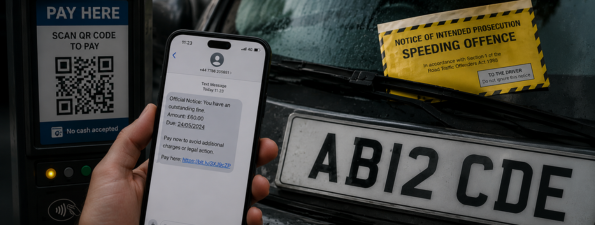
Paying for parking, renewing your vehicle tax, or buying a used car can all be done with just a few taps on your phone. But while technology has made life behind the wheel more convenient, it’s also opened the door to a new wave of scams targeting drivers.
The good news is that, while these scams might seem convincing, there are often tell-tale signs that something isn’t right. Here’s how to spot the latest driver scams – and what you can do to protect yourself.
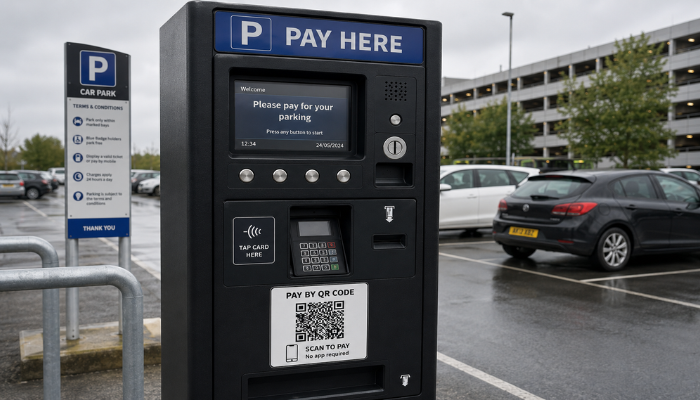
Think before you scan that QR code
QR codes have become a familiar sight in car parks across the country, offering a quick alternative to cash or pay-and-display tickets. However, this convenience has created an opportunity for thieves.
Fraudsters are placing fake QR code stickers over genuine parking signs and payment machines. When drivers scan the code, they think they're paying for parking, but their payment details are instead sent to scammers through convincing-looking fake websites designed to steal financial information. In fact, Freedom of Information data obtained by Ailsa Reliability Solutions, and reported by Honest John, found that reports of fake QR code parking scams rose 1,300% between 2022 to 2025. Making them one of the fastest-growing forms of fraud.
To make matters worse, victims can suffer a double blow: not only could they lose money through fraud, they might also receive a genuine parking fine because no payment was made to the parking operator.
The safest approach is to pause before you scan, check the QR code hasn’t been tampered with, and make sure the website you’re paying through is real.
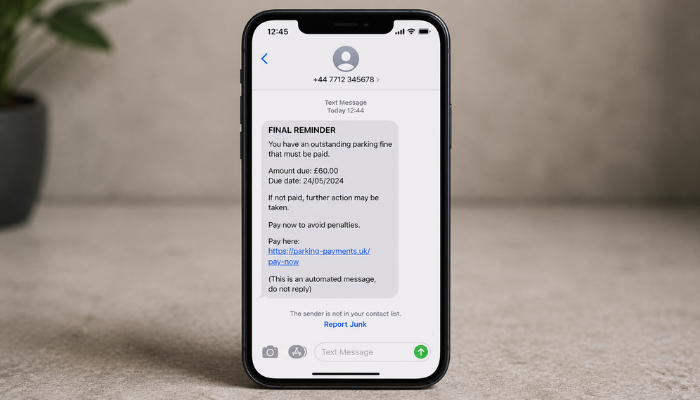
The text message you shouldn't trust
It often starts with a simple message:
"You have an unpaid fine. Pay now to avoid further action."
These texts create a false sense of urgency, warning higher charges if you don’t act immediately. The goal is to pressure you into clicking a link before you’ve had time to question whether it’s genuine, giving scammers access to your details and personal information. This is an important one to watch our for, as Ofcom research found that around half of UK mobile users received at least one suspicious text between November 2024 and February 2025, while almost one in three (32%) said they receive suspicious messages every week.
If you’re unsure whether a charge is genuine, ask yourself first were you expecting a fine? If not, visit the organisation directly for more details.
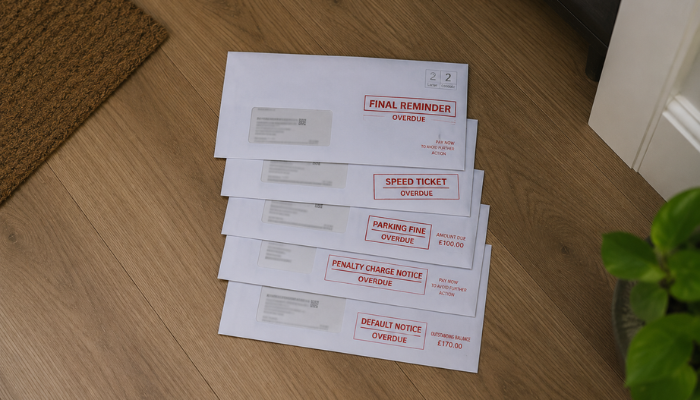
When someone steals your vehicle's identity
Not all scams come for your bank information directly. Some criminals target your vehicle instead.
Vehicle cloning happens when someone copies your registration number, displays it on another vehicle (often one that is stolen) and uses it for illegal activities.
If you start receiving unexpected parking fines, speeding tickets or even police notices through your door for incidents you know nothing about, this may be a sign your vehicle has been cloned. Recent DVLA data has shown that between 2021 and 2022, more than 12,300 motorists received fines or penalties linked to vehicles that weren’t theirs, but had their registration number.
If you think your vehicle has been cloned, you should contact the issuing authority immediately and then report matters to the police.
What to do if you think you've been scammed
Even the most vigilant drivers can get caught out. If you think you’ve fallen victim to a motoring scam, act quickly to minimise the impact.
- Contact your bank or card provider immediately if you think your payment card details may have been compromised or you notice any suspicious transactions.
- Change your passwords if you’ve clicked a suspicious link with your details on.
- Report scam texts to your mobile phone network provider by forwarding them to 7726, the universal spam-reporting number. Then delete the suspected spam message and block the number afterwards.
- Report vehicle cloning to the police, the DVLA and any organisation that’s issued incorrect fines.
- If you’ve lost money or shared personal information, report it to the police as soon as possible. If you live in England, Wales or Northern Ireland, contact Report Fraud by calling 0300 123 2040 or visit reportfraud.police.uk. If you live in Scotland, report the incident to Police Scotland by calling 101.
The quicker you act, the better chance you have at protecting yourself against further offences.
How to protect yourself from driver scams
While scammers are constantly changing their tactics, there are a few simple steps that can help you stay one step ahead.
- Take a moment before you act – whether that’s scanning a QR code, replying to a text or clicking a link, don’t let urgency push you into making quick decisions.
- Use official channels – download parking apps to your phone and visit official websites directly to avoid being caught in unfamiliar territory.
- Check before you pay – whether it’s a parking charge, speeding ticket or fine, ask who are you paying, and what for, this can help you purchase safely.
- Protect your personal information – be cautious of what you share on the internet, keep your car’s details secure away from fraudsters.
- Stay informed – keep up to date with the latest scams and motoring news through our EasyStreet blog, where we regularly share insider information with what’s happening in the automotive world.